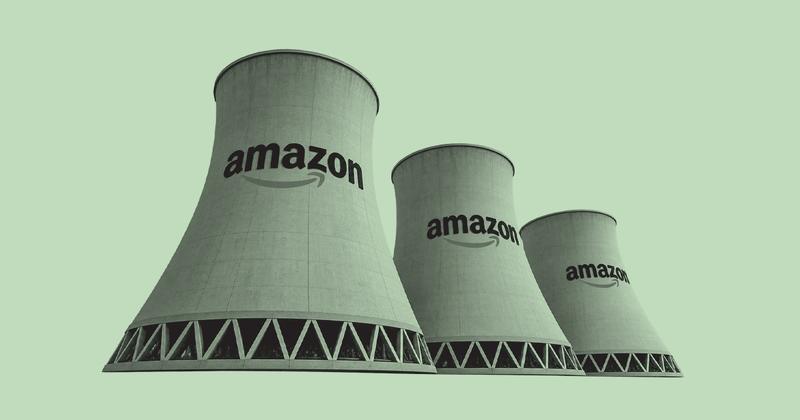
Nuclear energy is quietly becoming one of the hottest areas of venture capital.
With a global focus on renewable energy and net zero emissions, nuclear startups are racing to build the future of carbon free power.
Who is making moves:
- Google and Chevron led a $250 million funding round into TAE Technologies, a nuclear fusion startup
- Sam Altman invested $375 million into Helion Energy (NASDAQ: HLGN), who has a partnership to supply Microsoft with power in the future
- Peter Thiel is a another notable investor in Helion Energy
- Sam Altman is also one of the lead investors in nuclear reactor company Oklo, who is going public through a SPAC deal that values the company at $850M
- Founders Fund has backed Transatomic Power, a nuclear startup aiming to bring back one of the earliest prototypes of nuclear reactors known as the molten salt reactor
- Bill Gates has been a lead investor in TerraPower, a nuclear reactor startup who is building their first facility in Wyoming
- Jeff Bezos invested in Canadian nuclear startup General Fusion, who has attracted government funding for their groundbreaking reactor technology
How it works:
- Nuclear reactors essentially contain nuclear reactions that produce heat through a process known as fission
- Fission is a process where atoms split, releasing energy
- Nuclear reactors use uranium as a fuel source and rely on fuel rods that are immersed in water
- The process of fission creates heat, which turns water into steam and creates enough energy to spin turbines
- The spinning of turbines creates carbon free electricity, with no harmful emissions
Why it matters:
- Nuclear energy has become a focal point as a potential source of renewable power
- From both an energy transition perspective and an energy independence perspective, the United States has a lot of reasons to bet on nuclear
- Government funding has recently become unlocked for projects around nuclear, which is spurring innovation and accelerating the build out of critical infrastructure
- Last year, a record breaking $3.4 billion in venture funding went into nuclear energy startups
The fine print:
- Past nuclear energy projects have often failed due to exceptionally high capital requirements and technical challenges
- Regulation for nuclear energy has proven to be difficult, which is a hurdle for startups whose investors are cautious about delays and uncertainties
- Nuclear energy is not widely understood by the public as a source of renewable energy in comparison to wind or solar, and many falsely believe it is harmful for the environment