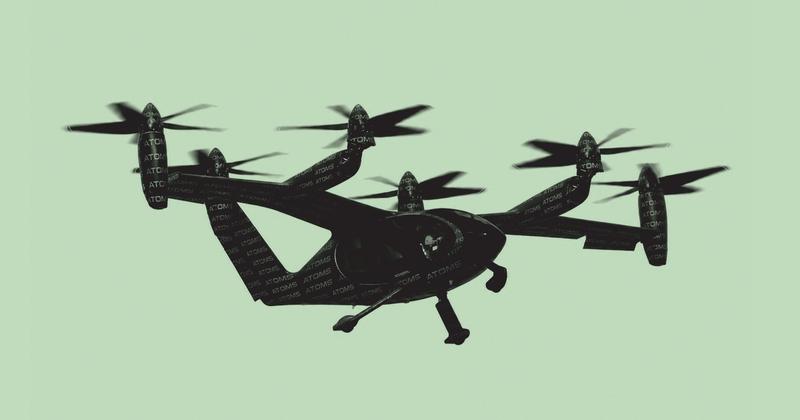
Electric vertical takeoff and landing aircraft, or eVTOLs, represent an emerging class of urban air mobility vehicles designed for short-distance transportation within metropolitan areas. These aircraft use electric propulsion systems and vertical flight capabilities to bypass ground-level congestion, positioning themselves as a potential complement to existing urban transit infrastructure.
Several factors drive development in this sector. Urban population density continues to strain road and rail networks, creating demand for alternative mobility solutions. Regulatory pressure to reduce transportation emissions accelerates interest in electric propulsion. Meanwhile, improvements in battery energy density, electric motor efficiency and composite materials enable airframe designs that were not feasible with conventional aviation technology. These technical advances make electrically powered flight economically viable for short-range operations.
Regulatory frameworks for eVTOL certification and operation remain under development. Aviation authorities are establishing safety standards for electric passenger aircraft, defining airspace integration protocols and setting requirements for pilot training or autonomous flight systems. Vertiport infrastructure planning involves zoning considerations, noise abatement measures and ground-based charging networks. Certification timelines and operational approval processes vary by jurisdiction, influencing commercial deployment schedules.
The value chain includes aircraft manufacturers developing new airframes, companies engineering electric propulsion systems, infrastructure developers planning vertiport networks, and suppliers providing avionics and sensor technologies. Some participants pursue piloted aircraft while others focus on autonomous operations. Progress in battery technology and autonomous systems directly affects eVTOL performance and operational capabilities.
Electric air taxis remain in a pre-commercial phase, with market viability dependent on completing certification processes, deploying supporting infrastructure and demonstrating sustainable operational economics. These vehicles represent an early-stage aviation technology where technical feasibility has been shown but commercial scalability has not yet been proven at meaningful scale.